Understanding Your Electrical Panel
Your electrical panel is the backbone of your home's entire electrical system. This critical component, typically located in your basement, garage, or utility room, distributes electrical power throughout your home to outlets, appliances, and lighting fixtures. When your panel is functioning properly, you never think about it. But when problems develop, they can pose serious safety risks and prevent you from using modern appliances effectively.
The average electrical panel is designed to last 25-40 years, but many homeowners have panels that are well beyond their intended lifespan. If your home was built more than 20-30 years ago, your electrical panel might be struggling to keep up with today's power demands. Modern homes use significantly more electricity than homes built decades ago—we have more appliances, higher-powered air conditioning systems, and multiple devices running simultaneously.
Sign #1: Frequent Circuit Breaker Trips
One of the most common early warning signs that your electrical panel needs an upgrade is frequent circuit breaker trips. Your circuit breaker is designed to shut off power to a circuit when it detects an overload—this is actually a safety feature that prevents fires and electrical damage. However, if you're constantly resetting breakers, your panel probably can't handle your home's electrical load.
Occasional breaker trips are normal—for example, if you're running your air conditioner, water heater, and dryer simultaneously on a hot day. But if you're tripping breakers regularly, even when you're not using multiple high-power devices, this is a clear sign that your panel's capacity is inadequate. Modern additions like electric vehicles, hot tubs, and tankless water heaters require substantial electrical capacity that older panels simply weren't designed for.
Sign #2: Flickering or Dimming Lights
Have you noticed your lights flickering or dimming, especially when you turn on a major appliance like the dishwasher or clothes dryer? This phenomenon, called voltage fluctuation, is a direct indicator that your electrical panel is struggling to distribute power evenly throughout your home. When your panel can't maintain consistent voltage, the lights connected to that circuit dim momentarily until the voltage stabilizes.
Flickering lights aren't just annoying—they're a sign of electrical stress. Your home should maintain steady voltage levels, typically between 115 and 125 volts for standard outlets. When voltage drops significantly, your appliances work harder and less efficiently, potentially shortening their lifespan. In extreme cases, frequent voltage fluctuations can damage sensitive electronics and appliances.
Sign #3: Burning Smells or Discoloration Around the Panel
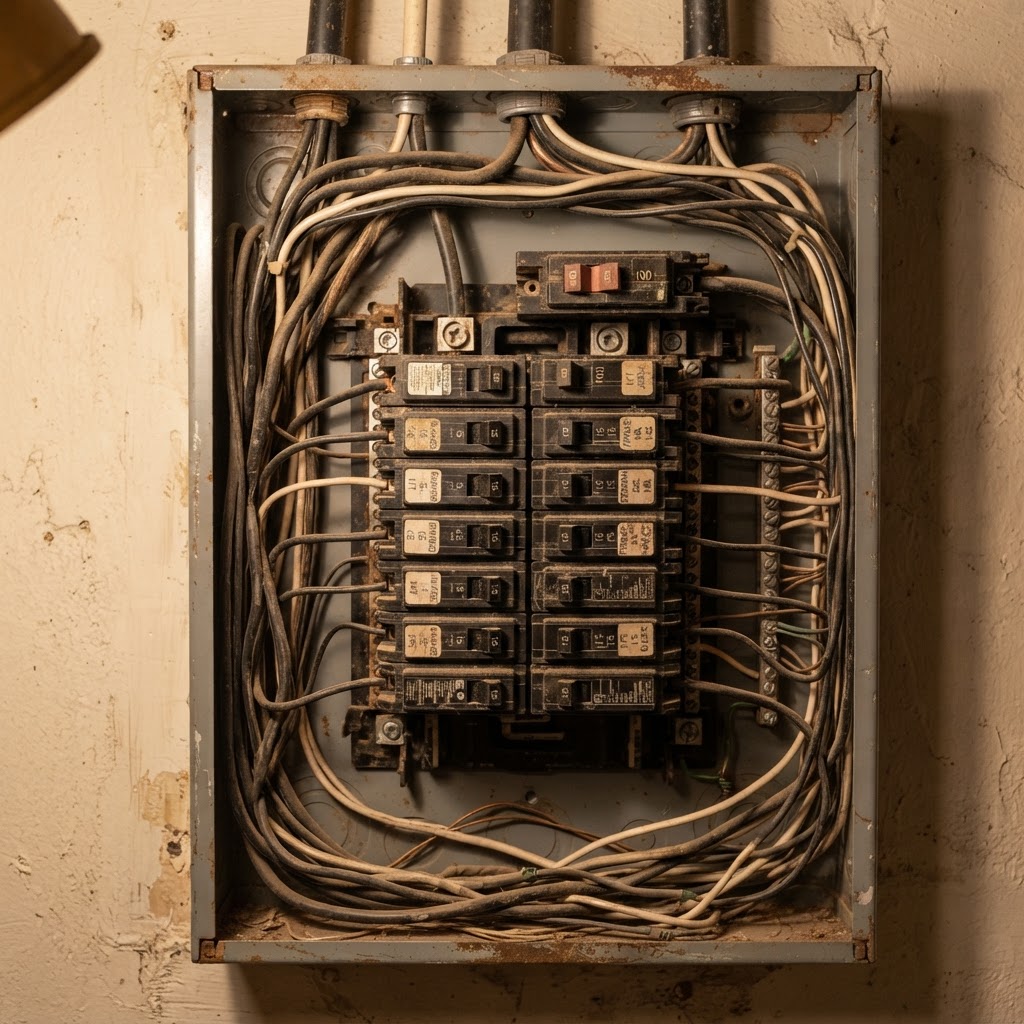
If you detect a burning smell near your electrical panel or notice scorch marks, discoloration, or any physical damage to the panel itself, this is a serious emergency that requires immediate professional attention. This smell typically indicates that electrical components are overheating due to excessive current or poor connections. Never ignore this warning sign.
A burning smell could mean that internal connections are failing, creating resistance and heat. In some cases, this can lead to electrical fires. The smell might be concentrated near the panel itself, or you might notice it throughout the room. Some people describe it as a melting plastic smell or an acrid electrical odor. If you smell this at any time, shut off your main breaker if it's safe to do so, and call an emergency electrician immediately.
Sign #4: Your Panel Uses Outdated Technology
Certain types of electrical panels manufactured decades ago are now known to be fire hazards due to design flaws. The most notorious examples include Federal Pacific panels and Zinsco panels, which were popular in homes built from the 1950s through 1980s. These panels have well-documented safety issues, including faulty breakers that may not trip properly during overloads, creating serious fire risk.
If your home has one of these outdated panels, you should upgrade immediately—don't wait for warning signs. Many homeowners with these panels are unaware of the risk. Insurance companies often won't provide coverage for homes with these dangerous panel types, and many won't even write new policies for homes that have them. A professional electrical inspection can determine what type of panel you have and whether replacement is needed.
Sign #5: You're Adding Major Electrical Loads
Planning a kitchen remodel, installing a hot tub, adding central air conditioning, or charging an electric vehicle? These projects typically require substantial additional electrical capacity. Before undertaking these upgrades, you should have an electrician assess whether your current panel can handle the added load.
Many homeowners are surprised to learn that their existing panel doesn't have capacity for the new appliances or systems they want to install. Rather than install a subpanel or face limitations, upgrading to a larger main panel is often the best solution. Modern 200-amp panels are now standard and recommended for new homes, while many older homes have 100-amp or 150-amp panels that are insufficient for contemporary electrical needs.
The Upgrade Process
Upgrading your electrical panel is a significant but essential investment in your home's safety and functionality. The process typically involves a comprehensive inspection, obtaining permits, shutting off power, removing the old panel, installing the new one, and having the work inspected by your local building department. The entire process usually takes 1-2 days.
At Dausman Electric, we specialize in safe, code-compliant panel upgrades. We handle all the permitting, installation, and inspection coordination, ensuring your new panel meets or exceeds current electrical codes. We'll discuss your current and future electrical needs to recommend the appropriate panel size and features.
Contact Us for a Panel Inspection
Don't wait for a dangerous situation to develop. If you're experiencing any of these warning signs, contact Dausman Electric for a comprehensive electrical inspection and consultation. We'll assess your panel's condition, explain your options, and provide a detailed estimate for any necessary upgrades. Your family's safety is too important to ignore these critical warning signs.